
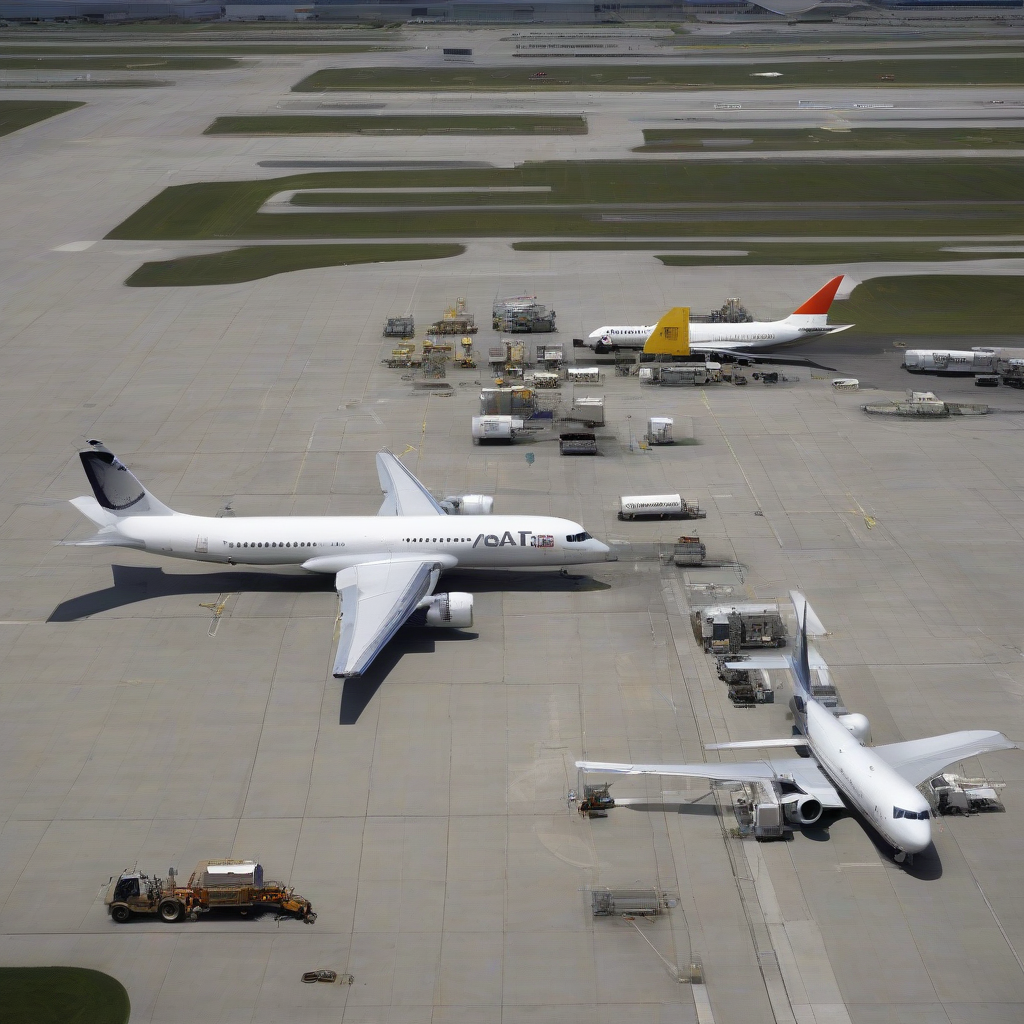

Flight planning represents a rigorous technical process where airlines calculate the necessary fuel for a route based on variables including altitude, routing, and aircraft performance, according to Simple Flying.
Fuel Management Dynamics
Calculating fuel loads is a fundamental operational necessity. Loading insufficient fuel risks expensive flight diversions, while carrying an excessive amount creates a negative financial impact. Specifically, the aircraft must burn additional fuel simply to transport the weight of the excess fuel, leading to inefficient operations and increased total fuel burn per trip. Airlines must account for the specific needs of each flight while considering the broader logistical requirement of what fuel is necessary to sustain aircraft operations throughout the entire day.
| Operational Factor | Impact of Excess Fuel | Impact of Insufficient Fuel |
|---|---|---|
| Weight | Increases fuel burn | Decreases aircraft weight |
| Cost | Higher operational expense | High cost of diversion |
| Safety | Minimal variance | Risk of emergency landing |
Regulatory and Operational Context
The process is governed by stringent requirements often overseen by agencies like the FAA or EASA. Airlines rely on flight dispatchers and automated software to reconcile real-time weather data, air traffic control routing, and aircraft-specific performance characteristics. These calculations ensure compliance with mandatory safety reserves, which act as a final buffer against unexpected delays or airborne holding patterns.
Why It Matters
Effective fuel management is the primary driver of airline profitability and environmental sustainability. With fuel often representing the largest variable expense for carriers, optimization reduces carbon emissions and enhances net margins. Furthermore, as airlines strive to meet environmental, social, and governance (ESG) goals, the precision of these calculations directly influences the success of carbon reduction strategies. Future advancements in machine learning are expected to further refine these loads, moving closer to 'just-in-time' fueling models that minimize weight penalties without compromising passenger safety or operational integrity.
Reader Discussion & Insights