
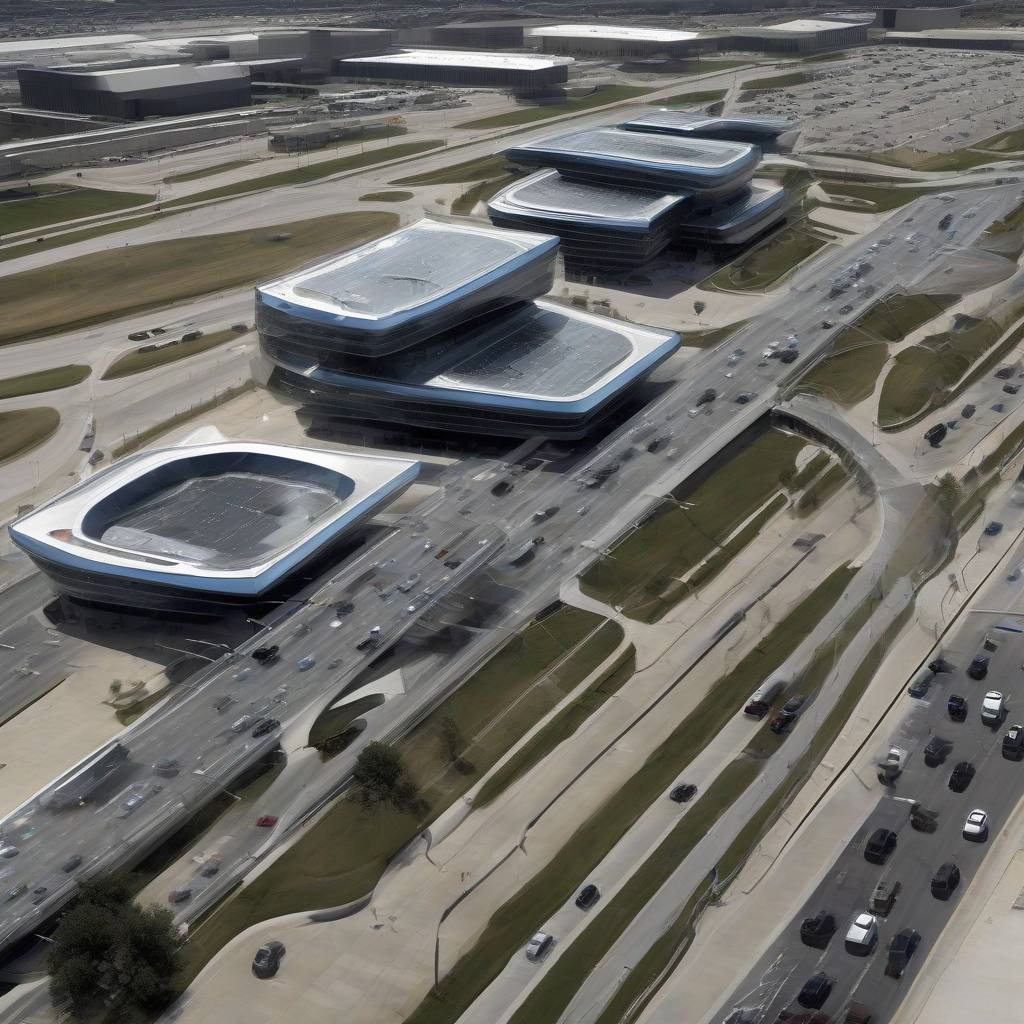
According to Autonomous Driving, the widespread adoption of autonomous vehicle technology could mitigate urban congestion in the Dallas-Fort Worth (DFW) region, potentially reducing traffic delays by 30 percent. This projection highlights the role of automation in optimizing vehicular flow within high-density metropolitan corridors.
Traffic Mitigation Data
| Metric | Projected Impact |
|---|---|
| Traffic Delay Reduction | 30% |
| Primary Geographic Focus | DFW (Dallas-Fort Worth) |
The integration of self-driving systems is expected to improve throughput by minimizing human-error-related braking and accelerating, which are frequent contributors to phantom traffic jams. By utilizing vehicle-to-vehicle (V2V) communication, these systems can maintain consistent spacing and velocity, effectively increasing the capacity of existing road infrastructure without the need for physical expansion.
Why It Matters
Reducing commute times by 30 percent has broader macroeconomic implications for the DFW region, which serves as a major logistics and corporate hub. Beyond individual time savings, increased efficiency in transport correlates with reduced fuel consumption and lower operational costs for regional freight and delivery services. As municipal planners evaluate long-term infrastructure spending, the ability of autonomous systems to optimize existing lanes offers a cost-effective alternative to multi-billion dollar highway expansions. Furthermore, consistent traffic flow is essential for the viability of future high-frequency autonomous ride-hailing services, which require predictable journey times to remain competitive against private vehicle ownership.
Reader Discussion & Insights