
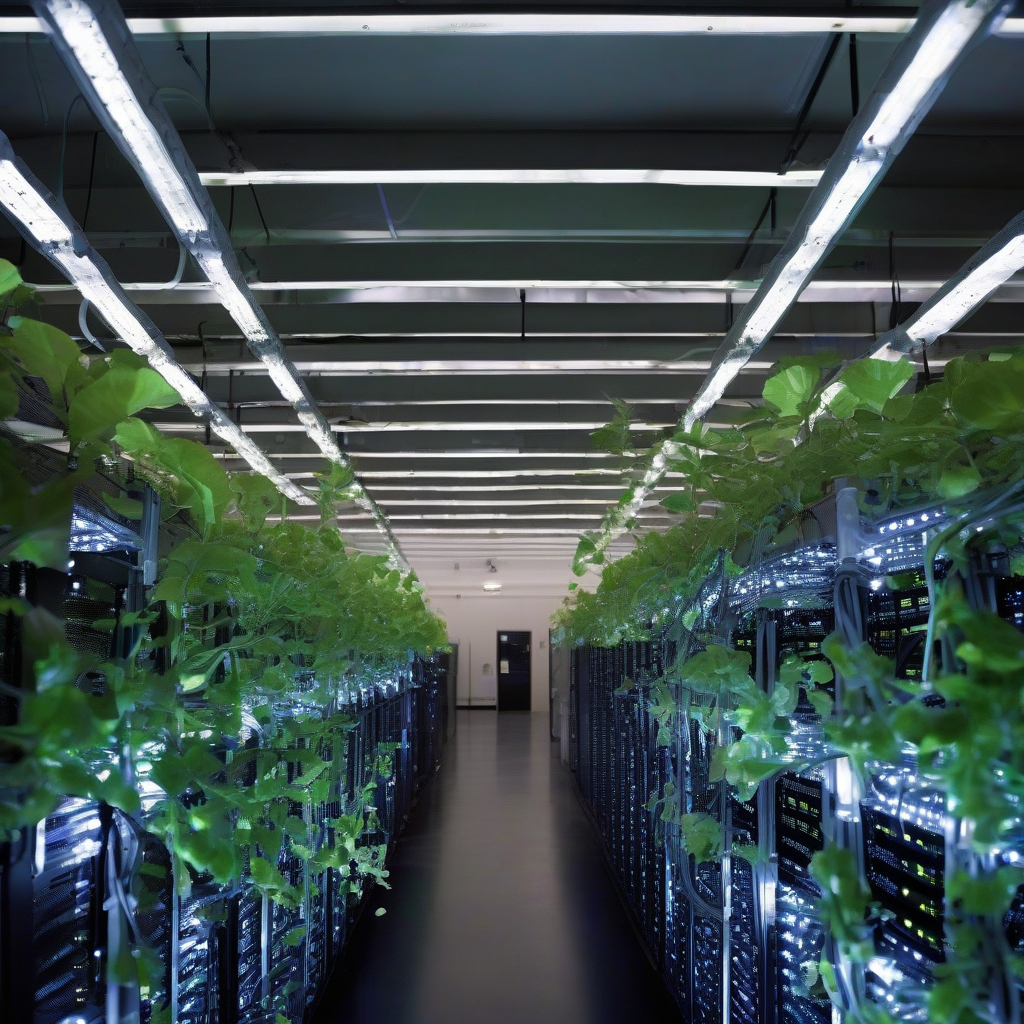
Urban environments characterized by high levels of artificial light at night (ALAN) are inducing significant biological shifts in local flora, according to Phys.org. Researchers have determined that these light levels disrupt the natural development cycles of plants, specifically accelerating the onset of spring budding and leaf growth. Conversely, this light exposure results in a delay during the autumn season, preventing trees from transitioning to their seasonal color change at the expected time.
These phenological shifts present secondary complications for broader urban ecosystems. The timing mismatch created by altered plant development affects the reproductive and nutritional cycles of various species, including herbivores and pollinators. Furthermore, insects that utilize specific plants as hosts for egg-laying face increased challenges due to this shift in plant maturation.
Beyond vegetation, the presence of ALAN acts as a significant sensory pollutant for mobile wildlife. Many migrating bird populations, alongside other animal species, experience increased disorientation when navigating urban corridors illuminated by constant artificial sources.
Impact Assessment
| Biological Process | Impact of ALAN |
|---|---|
| Spring Budding | Accelerated / Early |
| Autumn Leaf Color | Delayed |
| Migratory Patterns | Increased Disorientation |
| Pollinator Activity | Disrupted Synchronicity |
Why It Matters
For the technology sector, particularly in smart city development and AI-driven infrastructure management, these findings necessitate a reconsideration of urban lighting protocols. As municipalities integrate intelligent lighting systems designed to reduce energy consumption, they must incorporate ecological impact metrics. The failure to address ALAN not only threatens biodiversity but also compromises the long-term stability of urban green spaces, which serve as natural cooling agents for cities. Future smart city frameworks must reconcile human visibility requirements with the biological imperatives of urban fauna to prevent systemic environmental degradation in metropolitan areas.
Reader Discussion & Insights