
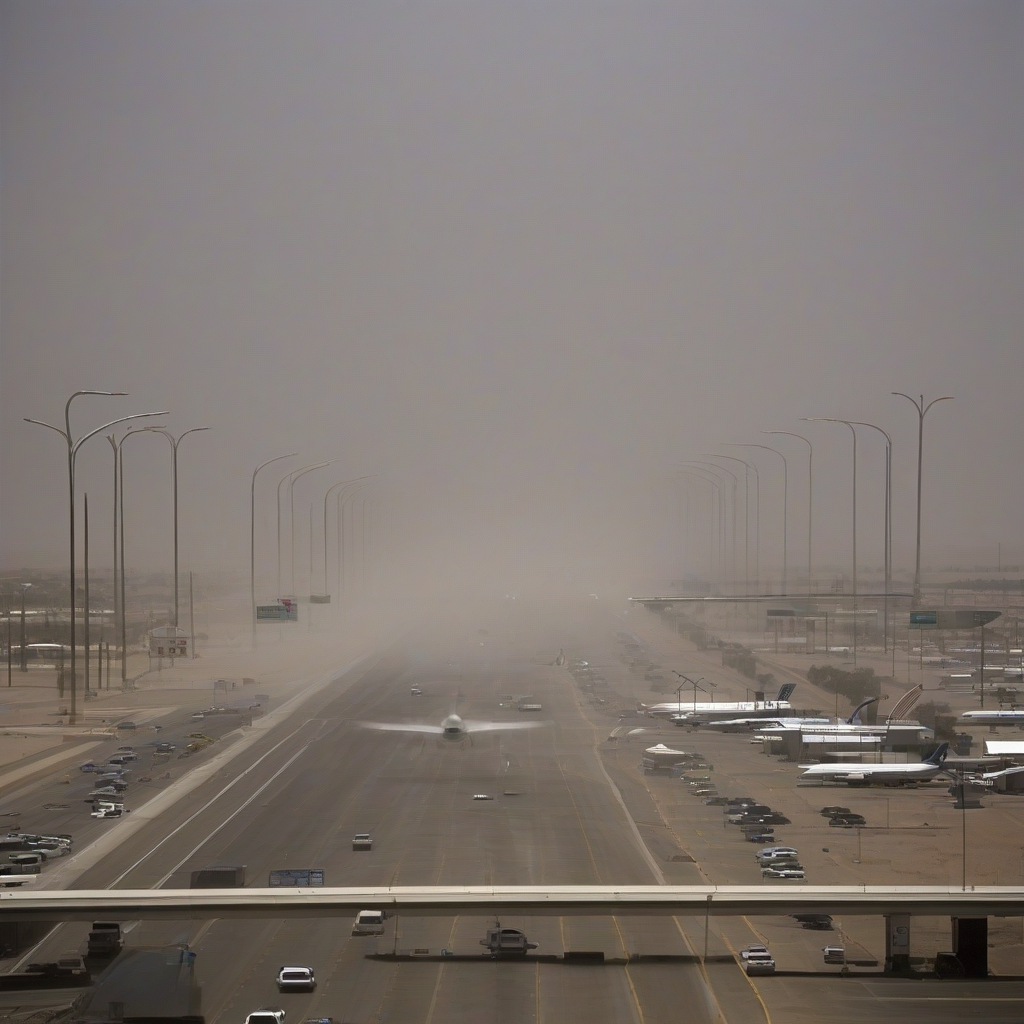

Southern Arizona experienced significant travel disruptions between late August 5 and early August 6, 2026, as two distinct dust walls moved across the region. According to The Watchers, the weather event significantly compromised visibility across Pima and Pinal counties, impacting major transportation corridors including sections of Interstate 10 and various state highways.
The meteorological event was characterized by high-velocity wind gusts, which peaked at speeds exceeding 97 km/h (60 mph) in central Pima County. These conditions led to a rapid deterioration in driving safety, with visibility dropping to approximately 400 m (0.25 miles) in the affected zones. Motorists navigating the region were cautioned by local authorities to anticipate delays and hazardous driving conditions resulting from the near-zero visibility.
Impact Summary
| Metric | Observation |
|---|---|
| Date of Occurrence | August 5 - August 6, 2026 |
| Peak Wind Speeds | > 97 km/h (60 mph) |
| Reduced Visibility | 400 m (0.25 miles) |
| Primary Affected Areas | Pima and Pinal Counties |
Regional transportation departments and meteorological services monitor these events as part of the monsoon season, which frequently produces haboobs that impede transit across the American Southwest. The intensity of this particular system necessitated increased monitoring of infrastructure points where high-speed traffic intersects with open desert terrain.
Why It Matters
The frequency of severe dust events in Arizona creates ongoing challenges for logistics operators and interstate freight movement. When high-speed corridors like I-10 are impacted, it triggers cascading delays in regional supply chains, as commercial vehicles must reduce speed or halt operations entirely to avoid multi-vehicle collisions. This event underscores the vulnerability of surface transport networks in the Southwest to extreme weather, emphasizing the need for real-time sensor integration on interstates to provide automated warnings to trucking fleets. Such technology is essential for maintaining safety without compromising the efficiency of critical desert trade routes.
Reader Discussion & Insights