
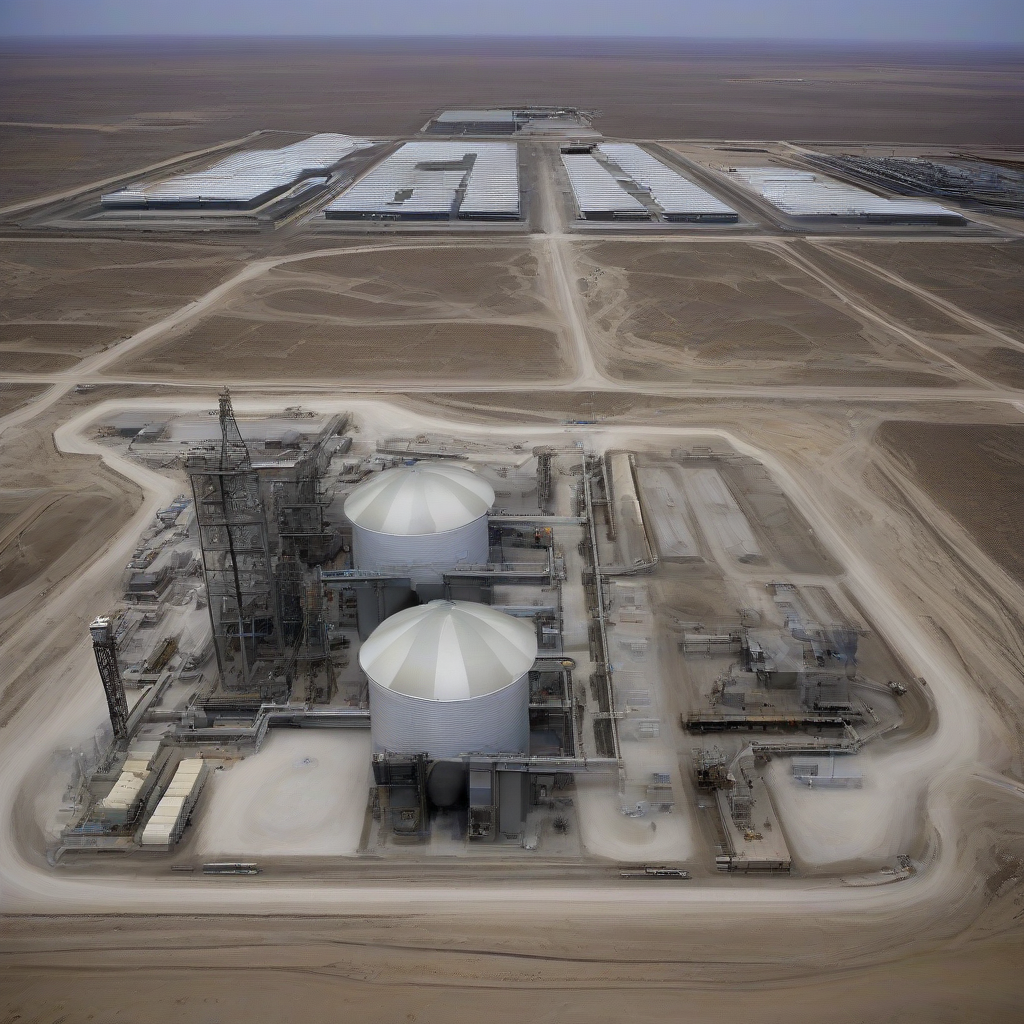

Argentina’s unconventional hydrocarbon sector is reaching significant milestones, with output from the Vaca Muerta shale formation now providing over 70% of the country’s total oil and natural gas production, according to OilPrice.com. This growth marks a rapid transformation of the domestic energy sector over the last decade.
Government data highlights the trajectory of this expansion, specifically noting that for June 2026, the country’s oil production levels have been substantially bolstered by continued activity in this region. Industry analysts view the current state of Vaca Muerta as being in the early phases of its development cycle, suggesting that total capacity has yet to reach its long-term potential. As unconventional extraction techniques mature, the region is increasingly positioned as a vital supplier for energy requirements within the Americas.
Production Overview
| Metric | Status / Value |
|---|---|
| Vaca Muerta Share of Total Output | Over 70% |
| Development Stage | Early Stage |
| Primary Focus | Unconventional Oil and Gas |
| Data Reference Date | June 2026 |
Why It Matters
The ascent of Vaca Muerta alters the competitive dynamics of the Western Hemisphere’s energy markets. By transitioning from a net importer to a potential exporter, Argentina creates a new pivot point that mitigates supply chain risks for regional neighbors. Unlike the rapid, boom-bust cycles observed in some North American basins, the long-term sustainability of this output depends on the harmonization of capital expenditure requirements and stable regulatory frameworks. The integration of this supply into the broader grid provides a buffer against global price volatility while signaling a shift in geopolitical leverage toward South American producers.
Reader Discussion & Insights