
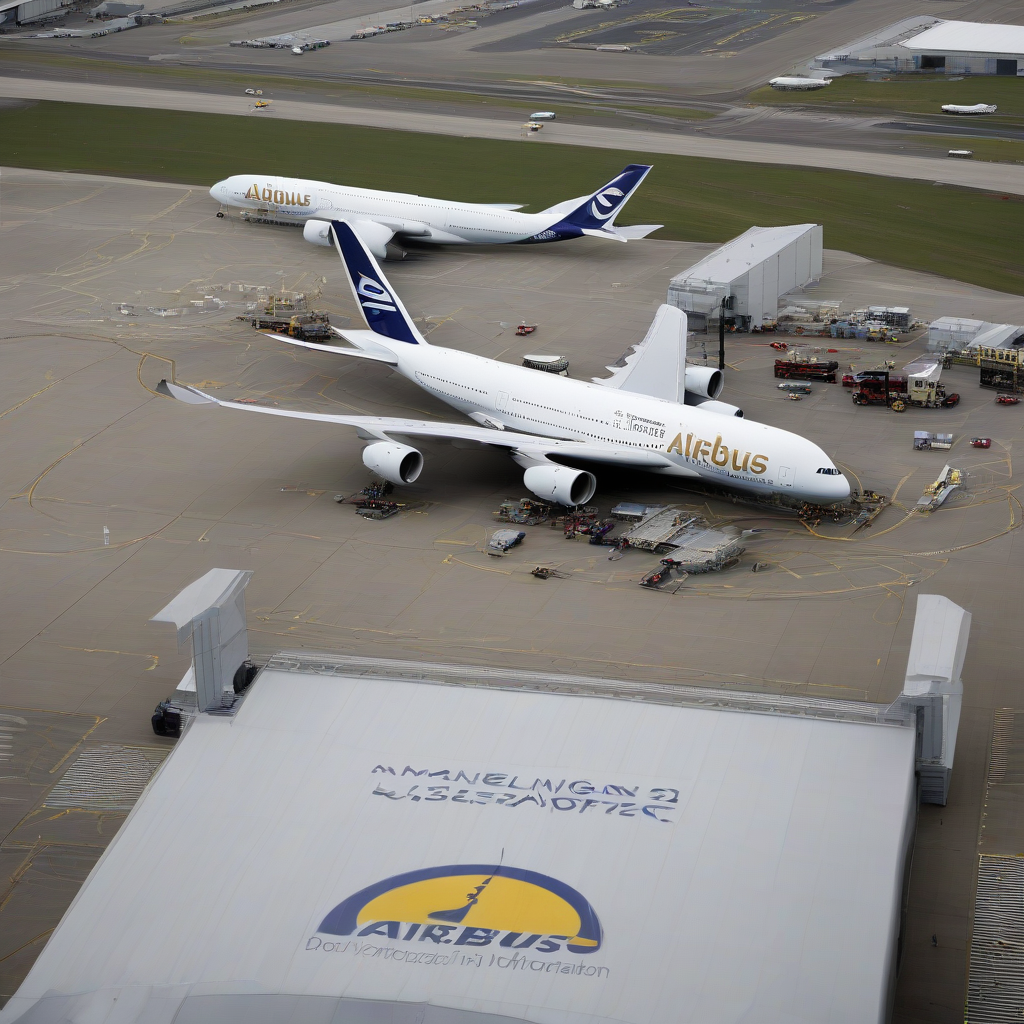

The Airbus A380 stands as a complex chapter in aviation history, characterized by ambitious design goals and eventual commercial difficulties, according to Simple Flying. Developed to revolutionize the long-haul sector, the superjumbo sought to solve the persistent issue of airport congestion through sheer volume, providing an alternative to the proliferation of smaller, point-to-point aircraft.
Aircraft Capacity and Design
The core of the A380 program was its massive scale. By utilizing a twin-deck configuration, the manufacturer created an aircraft capable of carrying over 850 passengers in specific high-density layouts. Beyond its sheer volume, the model was engineered to minimize noise, resulting in what remains one of the quietest cabins available for international travel.
| Feature | Specification |
|---|---|
| Cabin Decks | 2 |
| Maximum Passenger Capacity | Over 850 |
| Primary Design Goal | Hub-to-hub efficiency |
Market Dynamics and Hub-to-Hub Travel
Airbus based its corporate strategy on the assumption that global aviation would increasingly rely on massive hub-to-hub networks. By concentrating passenger traffic into these large airports, the A380 was intended to optimize slot utilization. However, the industry eventually shifted toward decentralized, point-to-point operations, favoring long-range, twin-engine aircraft that offered more flexibility than the massive four-engine A380.
Why It Matters
The A380’s trajectory demonstrates the peril of decoupling aircraft design from evolving airline network strategies. While the engineering team succeeded in creating a marvel of aeronautical capacity and passenger comfort, the market demand migrated toward smaller aircraft that reduced financial risk for operators. This misalignment serves as a primary case study for modern fleet planning. Future narrowbody and widebody acquisitions now prioritize engine efficiency, secondary city connectivity, and lower operational costs per flight, signaling that the era of the ultra-large aircraft may have reached a permanent ceiling in the current commercial aviation sector.
Reader Discussion & Insights