
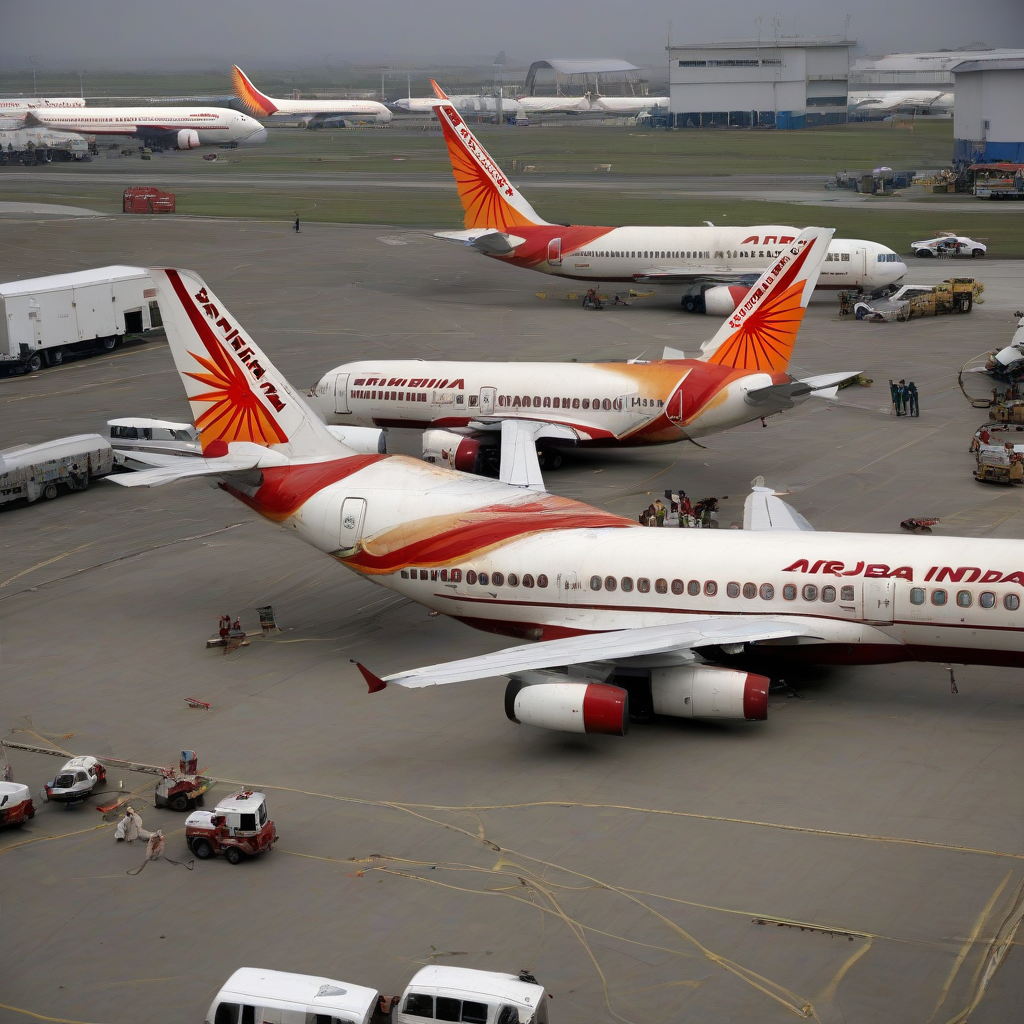
On 4 August 2026, Air India flight AI2379, operating the route from Phuket to Delhi, encountered a severe turbulence event during its cruise phase that resulted in 17 injuries. According to Aviation Source News, the Airbus A320, registered as VT-EXO, experienced a sudden altitude loss of approximately 300 feet while flying over or near Odisha airspace.
Flight Data and Incident Metrics
The incident occurred between 90 and 150 minutes after takeoff. While the official drop was recorded at 300 feet, secondary analysis indicated a variance of up to 425 feet within a compressed timeframe. Despite the sudden instability, the flight crew maintained control of the vessel and successfully landed at Indira Gandhi International Airport in Delhi at approximately 11:07 IST. Upon arrival, the aircraft was met by medical teams and emergency vehicles.
| Metric | Detail |
|---|---|
| Flight Number | AI2379 |
| Aircraft Model | Airbus A320 (VT-EXO) |
| Route | Phuket to Delhi |
| Date | 4 August 2026 |
| Passengers | 137 (including 3 infants) |
| Crew | 8 |
| Altitude Loss | Approx. 300-425 feet |
| Total Injuries | 17 (13 passengers, 4 crew) |
Medical Response and Official Reports
Following the event, 13 passengers and four cabin crew required immediate medical evaluation. Official reports confirm that 12 individuals (eight passengers and four crew) were admitted to hospitals, including facilities such as Fortis and Medanta, for treatment related primarily to soft-tissue trauma in the back and shoulder regions. By the evening of 4 August, five passengers had been discharged. Civil Aviation Minister Ram Mohan Naidu conducted visits to the hospitalized occupants to assess their condition, which remained stable as of the latest reports.
Why It Matters
This incident highlights the persistent risk of clear-air turbulence, which remains difficult for standard weather radar to detect. For the airline industry, this event underscores the limits of predictive meteorological technology during monsoon-influenced flight paths. As climate patterns shift, the frequency and severity of convective turbulence in regions like the Bay of Bengal are increasingly scrutinized. For operators, the incident serves as a reminder of the liability and operational safety protocols surrounding seatbelt enforcement, especially as cabin imagery confirmed internal panels sustained localized damage during the rapid descent.
Reader Discussion & Insights