
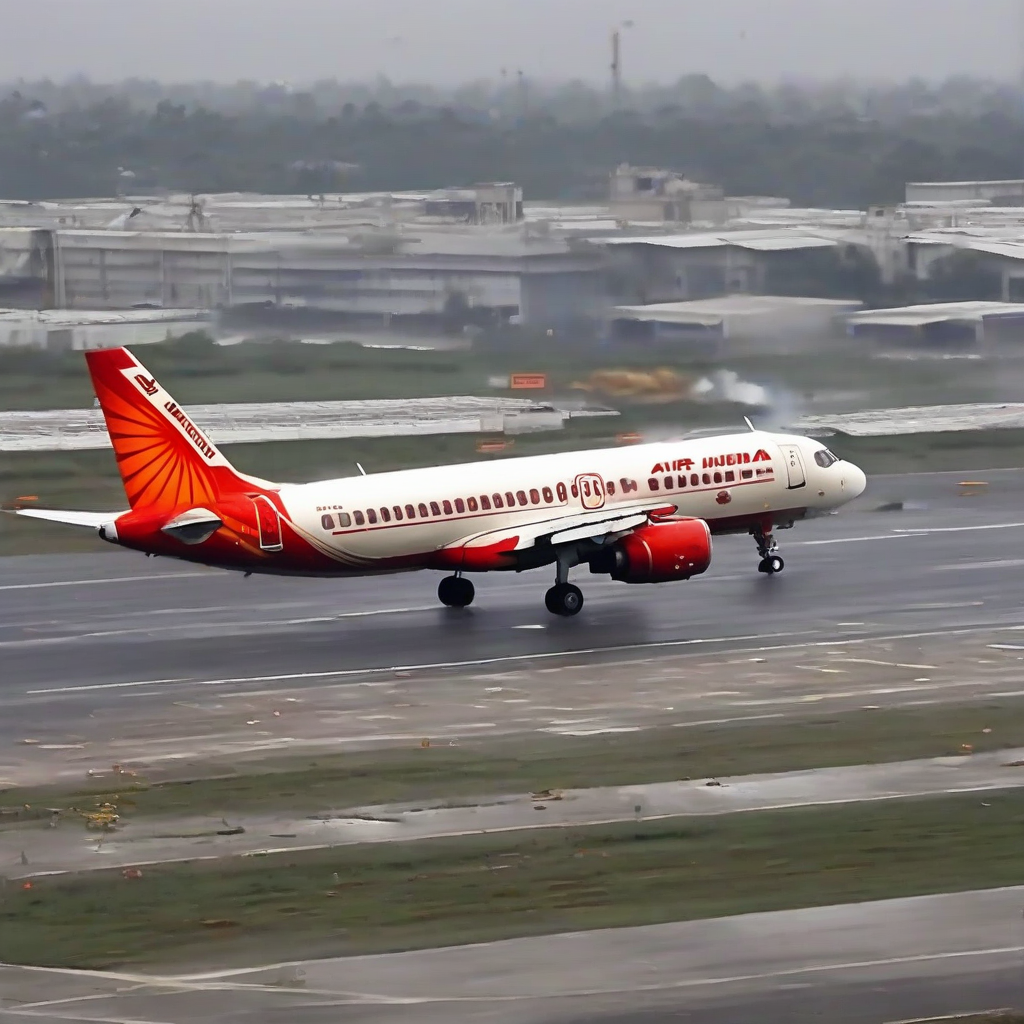
Seventeen individuals sustained injuries during an Air India flight from Phuket to Delhi after the aircraft encountered extreme atmospheric instability. According to Simple Flying, the Airbus A320neo, operating as flight AI2379, experienced a sudden drop of 300 feet (91 meters) on August 4 while in transit from Phuket International Airport (HKT) to Indira Gandhi International Airport (DEL).
Incident Details
While the aircraft ultimately touched down safely at its destination in Delhi, the sudden loss of altitude caused significant distress for those on board. Upon landing, medical teams were dispatched to the tarmac to provide immediate care to the 17 injured passengers and crew members. Visual evidence circulating online, including images and video footage captured post-landing, depicted damage to cabin panels and a scene of internal disarray caused by the rapid vertical movement of the aircraft.
| Flight Number | Aircraft Type | Departure Airport | Arrival Airport | Altitude Loss |
|---|---|---|---|---|
| AI2379 | Airbus A320neo | HKT | DEL | 300 feet (91 meters) |
Operational Context
Standard aviation safety protocols dictate that incidents involving in-flight injuries or structural cabin damage must be reported to the appropriate regulatory bodies. In India, the Directorate General of Civil Aviation (DGCA) typically initiates a review of such occurrences to determine whether the turbulence was forecast or if the flight path encountered unexpected weather phenomena. The Airbus A320neo is a widely utilized narrow-body aircraft, and while incidents of severe clear-air turbulence are statistically rare, they remain a primary focus for commercial aviation safety management systems.
Why It Matters
This incident highlights the growing challenge airlines face regarding climate-related flight volatility. As weather patterns become more erratic, the frequency of severe turbulence events—particularly clear-air turbulence—poses a significant risk to passenger safety and operational costs. For carriers like Air India, these events necessitate a re-evaluation of cabin service procedures and passenger restraint policies. Furthermore, the incident underscores the requirement for airlines to adopt more advanced weather-tracking technology that can provide flight crews with earlier warnings, potentially reducing the number of injuries occurring during unexpected mid-flight altitude shifts.
Reader Discussion & Insights