
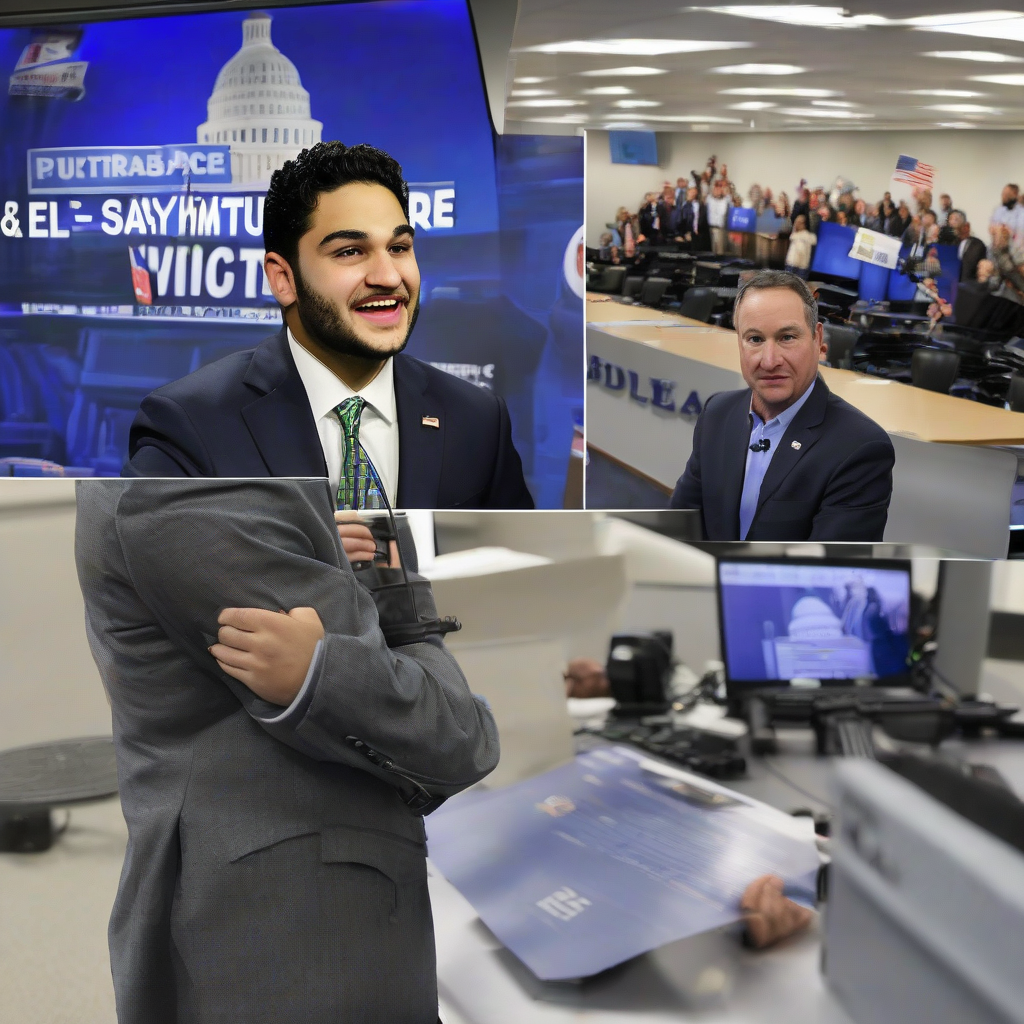
Progressive candidate Abdul El-Sayed has emerged victorious in the Michigan Democratic primary for the U.S. Senate, according to Al Jazeera. The result represents a shift in the state's political direction, as El-Sayed successfully defeated pro-Israel Congresswoman Haley Stevens to secure the party's nomination.
The campaign was characterized by a massive disparity in financial resources. Reports indicate that El-Sayed overcame over $60m in total spending directed toward the primary contest. This financial barrier was a major point of contention throughout the race, with the incumbent backed by significant outside interest groups, most notably the American Israel Public Affairs Committee (AIPAC).
Campaign Financial Overview
| Metric | Detail |
|---|---|
| Winning Candidate | Abdul El-Sayed |
| Opponent | Haley Stevens |
| Primary Outcome | El-Sayed Victory |
| External Spending Figures | Over $60m |
Official election results and campaign disclosures confirm the scale of the financial mobilization against El-Sayed. Despite the influx of capital aimed at maintaining the status quo, the primary electorate opted for a progressive alternative, setting the stage for a general election battle. The results are being reviewed by state election authorities, though the projection by major networks confirms the outcome.
Why It Matters
The defeat of a well-funded incumbent by a grassroots progressive suggests a fracturing in traditional fundraising efficacy within American politics. When candidates can successfully counter-balance $60m in opposing capital, it signals that local policy priorities—such as those focused on healthcare and regional economic policy—are beginning to carry more weight than institutional PAC spending. For national markets and industry lobbyists, this outcome suggests that legislative agendas may face increasing volatility, necessitating a transition toward more direct stakeholder engagement rather than relying solely on legacy political action committee influence.
Reader Discussion & Insights