
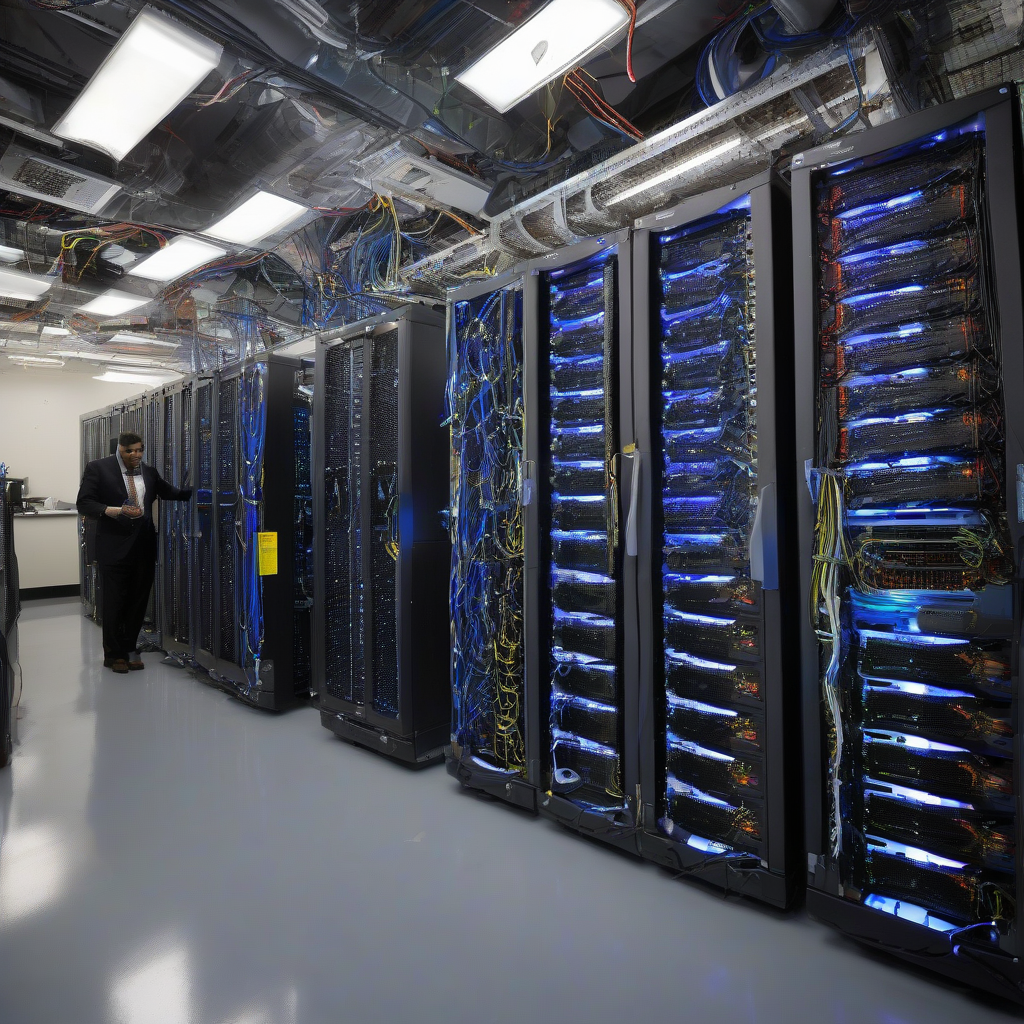

Michigan Democratic Senate candidate Abdul El-Sayed has officially declared his support for state and local moratoriums on the construction of data centers, according to CNBC — Technology. This policy stance follows his success in a competitive primary election held on Tuesday, August 5, 2026. The move signals a tightening political environment regarding the rapid physical expansion of infrastructure required to support high-intensity artificial intelligence workloads.
Current Policy Landscape
The endorsement of moratoriums by El-Sayed places him at the forefront of a growing movement among local officials and community leaders who cite concerns over the heavy power and water consumption associated with modern data facilities. While proponents of AI growth argue that high-capacity server farms are essential for regional competitiveness, critics emphasize the strain these facilities place on local utility grids.
| Stakeholder | Policy Position | Primary Focus |
|---|---|---|
| Abdul El-Sayed | Support Moratoriums | Grid stability, resource use |
| Local Governments | Evaluating Restrictions | Zoning, power allocation |
Why It Matters
The push for moratoriums marks a shift in how municipalities view the digital economy. Historically, data centers were treated as preferred industrial tenants due to their tax contributions. However, as power demand for AI compute scales exponentially, the narrative is moving toward resource scarcity. If legislative bodies move to codify these moratoriums, developers may face significant delays or relocation costs, potentially forcing a transition toward more energy-efficient, decentralized computing architectures rather than the current model of massive, centralized hyper-scale deployments.
Reader Discussion & Insights