
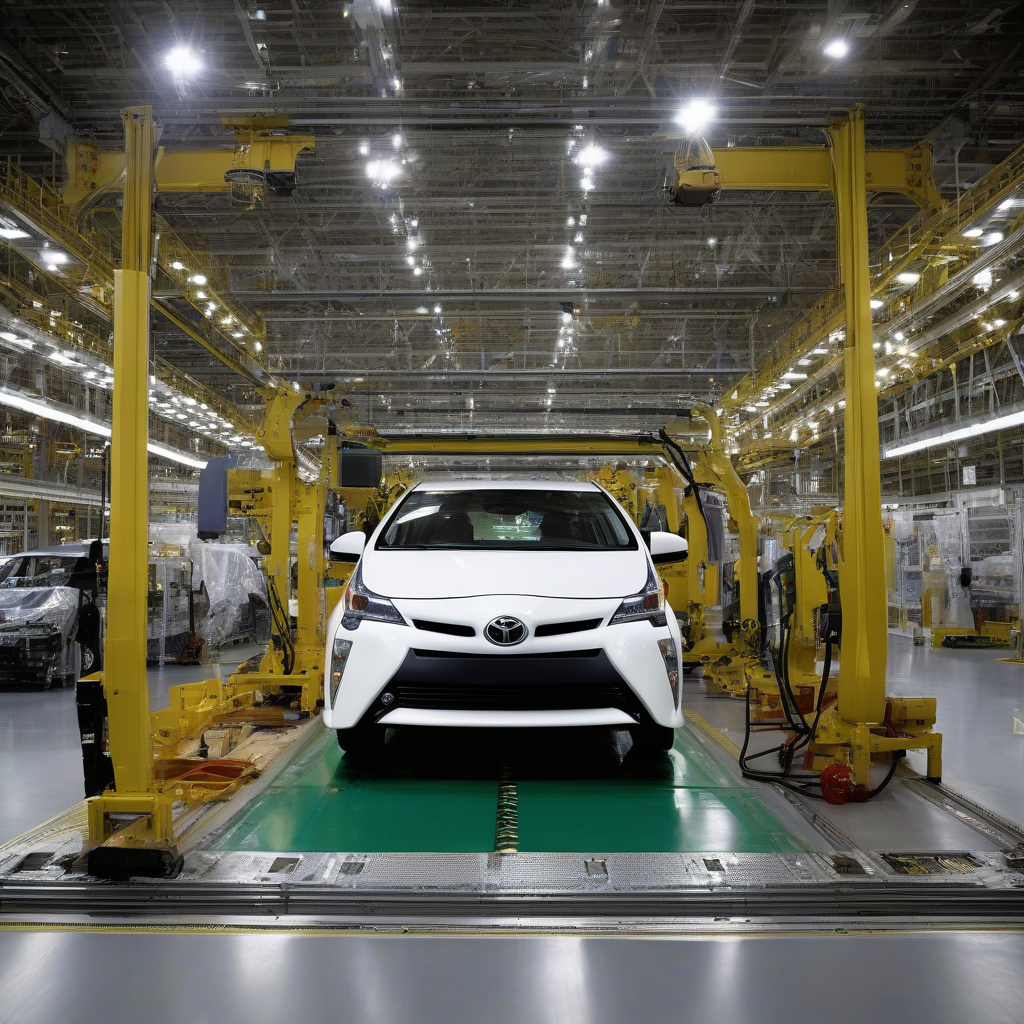

The 2027 Toyota Prius plug-in hybrid (PHEV) remains a cornerstone of Toyota's electrification strategy, delivering a blend of fuel efficiency and updated performance metrics. According to Car and Driver, the vehicle maintains its position in the competitive hybrid segment by balancing electric-only range with the long-distance capabilities of a traditional gasoline engine.
Vehicle Specifications and Pricing
The 2027 model year iteration of the Prius PHEV features hardware configurations designed to meet varying consumer needs across different trim levels. The following table summarizes the core data points for the 2027 Toyota Prius PHEV.
| Specification Category | Data Point |
|---|---|
| Vehicle Model | 2027 Toyota Prius PHEV |
| Manufacturer | Toyota |
| Primary Powertrain | Plug-in Hybrid Electric Vehicle |
| Expected Market Entry | 2027 Model Year |
While specific MSRPs are subject to market adjustments and dealer incentives, the vehicle is engineered to provide a seamless transition between battery-electric operation and hybrid mode. Toyota continues to utilize its proven hybrid synergy drive architecture to maximize thermal efficiency and total driving range.
Operational Context
Automotive manufacturing standards for the 2027 model year must align with current Environmental Protection Agency (EPA) emissions and fuel economy testing protocols. Toyota’s internal development timelines reflect a commitment to maintaining a high-volume production output for this specific plug-in variant. Unlike pure battery-electric vehicles (BEVs) that rely exclusively on charging infrastructure, the Prius PHEV utilizes the existing network of gasoline stations to mitigate range anxiety, a factor frequently cited by consumers in transition-period purchasing decisions.
Why It Matters
The 2027 Prius PHEV represents a strategic middle ground for consumers who are not yet prepared to commit to a full battery-electric vehicle. By maintaining this model, Toyota captures a specific segment of the buyer population that values incremental emissions reduction without the infrastructure dependency of BEVs. This approach serves as a buffer against fluctuations in public charging availability and allows the manufacturer to optimize battery cell distribution across a broader range of vehicles rather than exhausting supply on fewer, long-range pure electric models. It effectively bridges current consumer behavior with long-term carbon neutrality goals.
Reader Discussion & Insights