
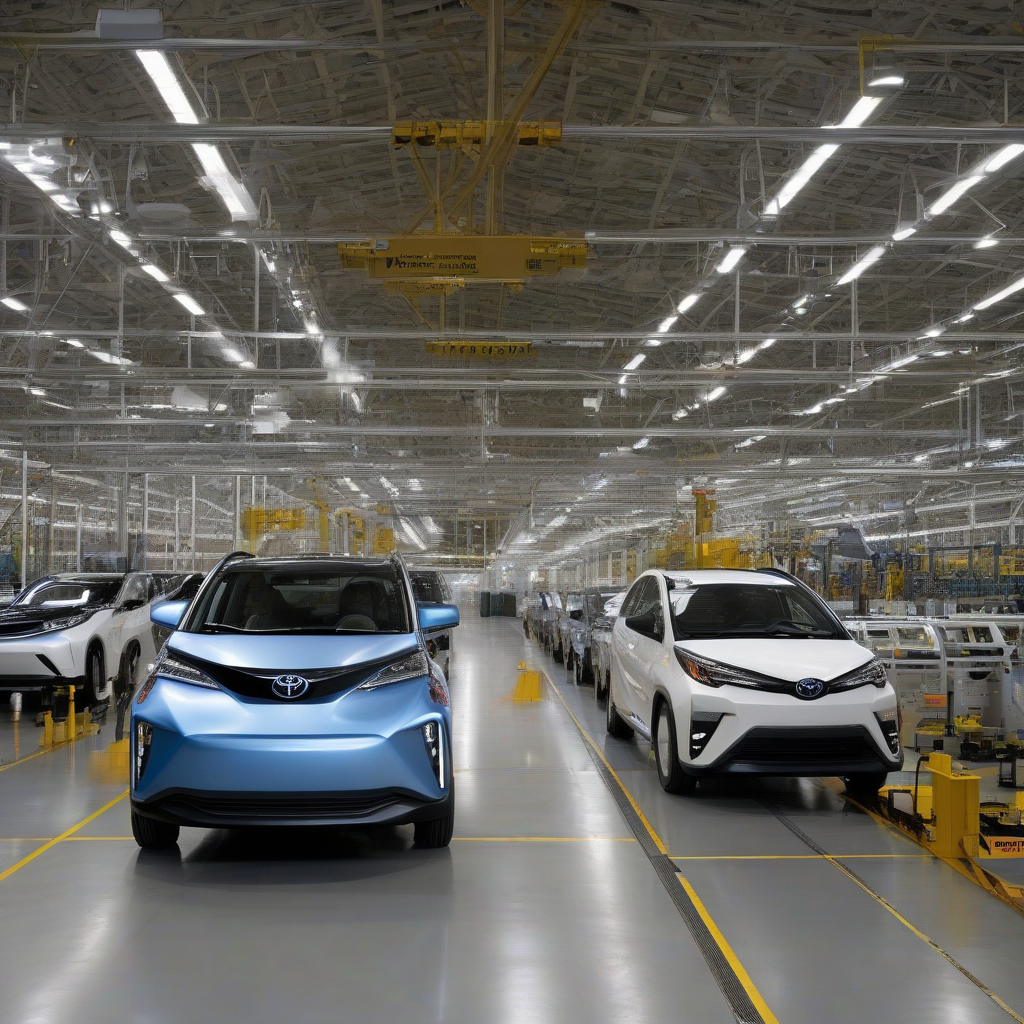
Toyota is expanding its battery-electric SUV lineup with the introduction of the 2027 bZ Woodland, which is set to hit the market with a starting MSRP of $45,380. According to Electrek, this new offering positions the automaker in the competitive mid-sized electric vehicle segment by emphasizing power and drivetrain configuration as primary value propositions.
Vehicle Specifications and Pricing
The 2027 bZ Woodland is engineered to prioritize performance, coming standard with a dual-motor all-wheel drive (AWD) system. This setup generates a combined output of 375 hp, distinguishing it from lower-tier electric SUVs that rely on single-motor, rear-wheel-drive architectures.
| Feature | Specification |
|---|---|
| Model Year | 2027 |
| Starting Price | $45,380 |
| Drivetrain | Dual-Motor AWD |
| Total Output | 375 hp |
This pricing strategy suggests that Toyota intends to compete directly against established mid-range electric crossovers by offering an AWD-standard configuration at a price point that undercuts several premium alternatives currently available in the US market.
Strategic Context
The introduction of the bZ Woodland follows Toyota's broader electrification roadmap. While the company has historically favored hybrid technology, the bZ (Beyond Zero) series represents a significant shift toward full battery-electric vehicle (BEV) production. Industry analysts note that by standardizing the dual-motor system, Toyota is likely attempting to capture a consumer segment that requires high-traction capabilities, particularly in regions prone to inclement weather.
Why It Matters
The pricing and performance specs of the bZ Woodland demonstrate an evolving approach to EV adoption. By entering the $45,000 bracket with 375 hp, Toyota is forcing a price-to-performance calculation that rivals have not yet settled. This move suggests that legacy automakers are moving past "entry-level" compliance EVs and are now prioritizing high-utility configurations to attract traditional SUV buyers. The success of this model will likely serve as a barometer for how traditional, non-luxury brands can successfully scale their BEV production without relying solely on aggressive discounting or heavily subsidized lease programs.
Reader Discussion & Insights