
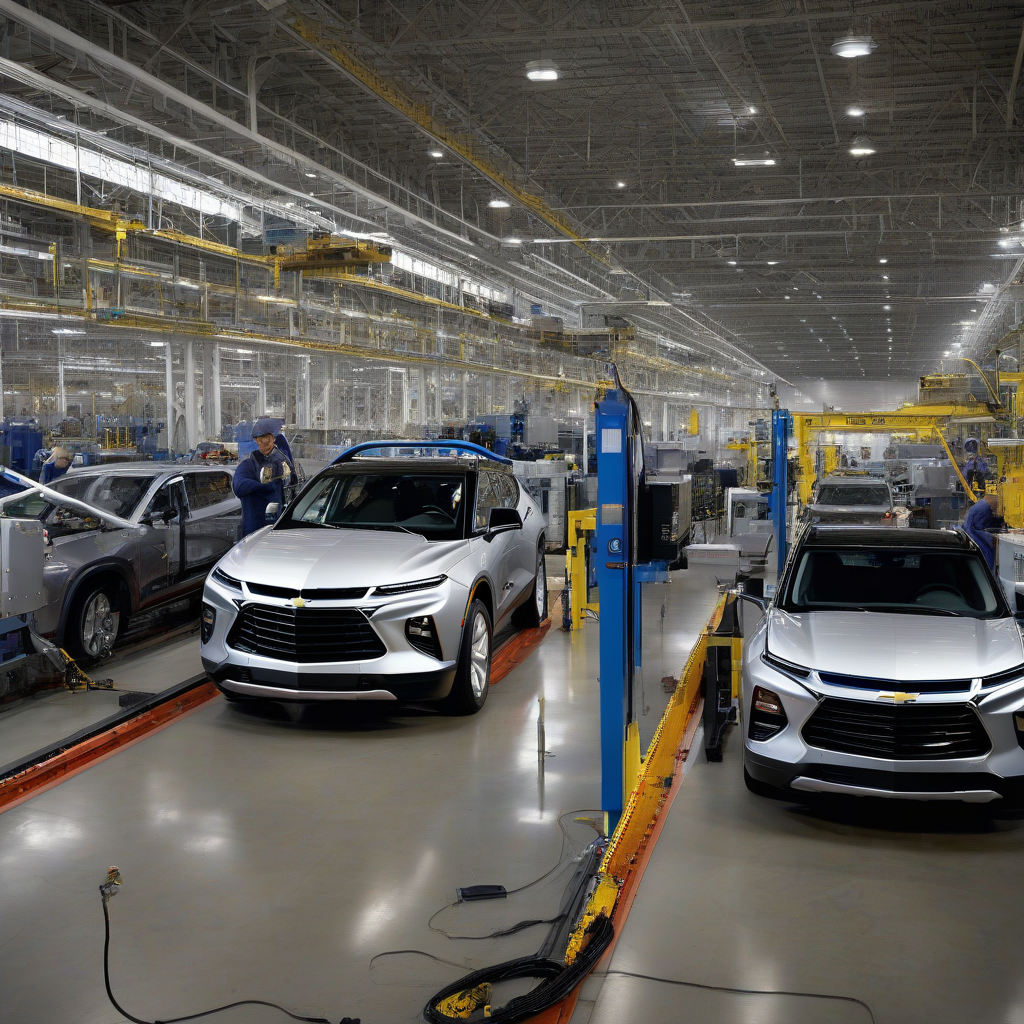
General Motors has finalized the configuration for the 2027 Chevy Blazer EV, confirming that the vehicle will carry over the pricing structure from the outgoing model year, according to Electrek. Despite the inclusion of new hardware and updated features, the automaker has opted to keep base MSRP figures stable to maintain competitiveness within the electric vehicle market.
The most notable change for the 2027 model year is the shift to the North American Charging Standard (NACS). By adopting this port design, Chevrolet aims to provide owners with seamless access to the Tesla Supercharger network, a significant transition from the Combined Charging System (CCS) used in previous iterations. This hardware update arrives without an associated price hike, reflecting a strategy to lower barriers to entry for potential EV adopters.
2027 Model Year Specifications
| Feature | 2027 Chevy Blazer EV Update |
|---|---|
| Charging Port | NACS (Standard) |
| Pricing | Unchanged from 2026 model |
| Availability | 2027 MY Production Cycles |
While Chevrolet has not disclosed every feature set, the decision to prioritize the transition to NACS indicates alignment with broader industry standards established by the Society of Automotive Engineers (SAE) J3400 connector guidelines. This migration is consistent with the company's long-term agreement to standardize charging interfaces across its battery-electric fleet, facilitating a more unified infrastructure for domestic charging.
Why It Matters
Maintaining price parity while adding modern connectivity and infrastructure features demonstrates a shift in the EV sector from experimental pricing to high-volume efficiency. As legacy manufacturers face increased pressure from both domestic and international entrants, the ability to integrate advanced hardware like the NACS port without inflating the consumer's total cost of ownership is vital. This move suggests that GM is prioritizing market share preservation and user convenience over short-term margin expansion, potentially forcing competitors to re-evaluate their own mid-cycle update pricing strategies as charging standardization becomes a mandatory market expectation rather than a premium differentiator.
Reader Discussion & Insights