
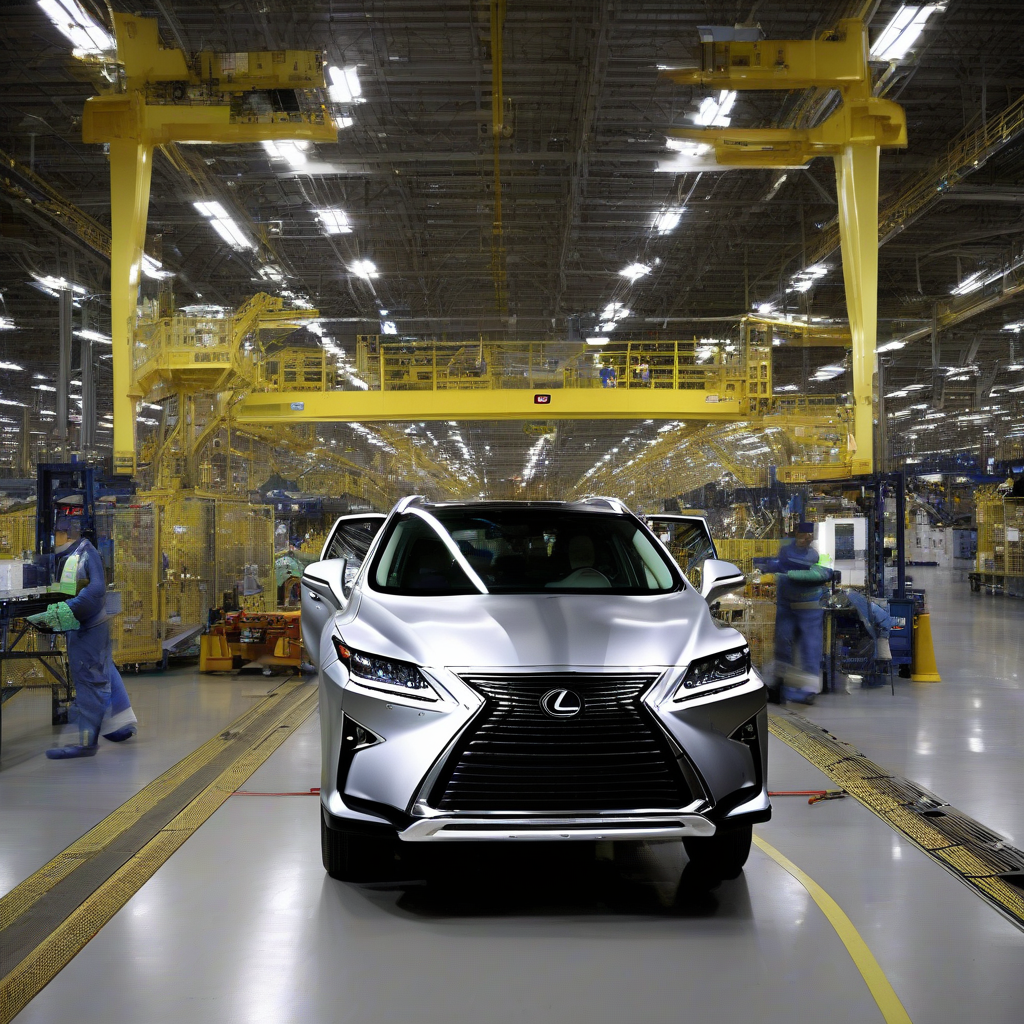
The 2026 Lexus RX350h positions itself firmly as a refined, comfort-oriented SUV rather than a performance-focused vehicle, according to Car and Driver. While the vehicle aims to provide a premium driving experience, those seeking rapid acceleration may find the model intentionally understated in its power delivery.
Performance Specifications
Performance metrics for the latest RX350h reflect its focus on efficiency and smoothness. During testing, the vehicle demonstrated consistent, albeit modest, output figures aligned with its hybrid powertrain design.
| Feature | Performance Data |
|---|---|
| 0-60 mph Time | 7.4 seconds |
| Quarter-Mile Time | 15.7 seconds |
| Quarter-Mile Speed | 89 mph |
| Top Speed | 112 mph |
These figures confirm that the model remains centered on a serene cabin atmosphere rather than athletic handling or aggressive straight-line speed. The drivetrain setup prioritizes fuel economy and low-stress operation over the sporting pretensions often found in the F Sport trim levels of competing manufacturers.
Market Context
Lexus continues to rely on the RX platform as a core component of its SUV portfolio. By maintaining a focus on mechanical reliability and passenger comfort, the brand aims to retain its established demographic. Official documentation from Toyota Motor Corporation regarding the Lexus brand highlights an ongoing commitment to hybrid technology integration across the RX lineup, balancing regulatory fuel standards with consumer luxury expectations.
Why It Matters
The automotive industry is currently seeing a divergence between electric-first performance models and traditional luxury hybrids. By opting not to chase segment-leading acceleration, Lexus is signaling that the 'luxury' segment still values acoustic comfort and suspension compliance over raw horsepower. This approach potentially shields the brand from the extreme manufacturing costs associated with high-output battery cooling and performance tires. As electrification mandates tighten, the ability to maintain a 'slow-but-steady' hybrid strategy serves as a bridge for legacy automakers looking to satisfy emissions targets while keeping entry prices accessible compared to full EV counterparts.
Reader Discussion & Insights