
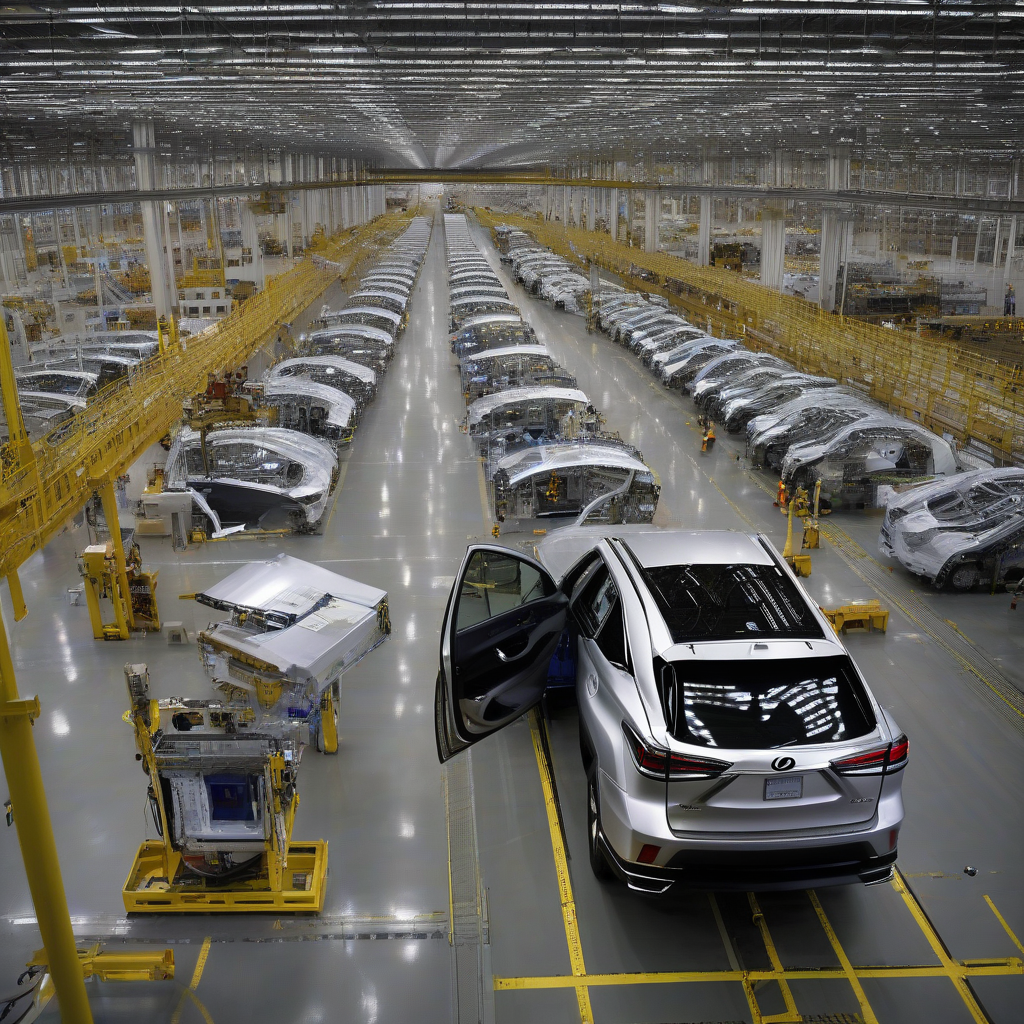
The 2026 Lexus RX Hybrid remains a central fixture in the premium crossover market, blending fuel efficiency with the brand's signature luxury standards. According to Car and Driver, this model year maintains the variety of electrified powertrain options that have defined the current generation of the RX, catering to buyers who prioritize both performance and fuel economy.
Technical Specifications and Performance
The 2026 model lineup provides distinct performance profiles based on the selected trim and powertrain. Lexus continues to utilize its sophisticated hybrid architecture to manage power delivery across the range. Below is the summarized configuration data for the vehicle:
| Feature | Detail |
|---|---|
| Vehicle Type | Luxury SUV |
| Model Year | 2026 |
| Powertrain Options | Hybrid & Plug-in Hybrid |
| Brand | Lexus |
For specific pricing and equipment packages, official filings from Lexus provide the most accurate breakdown of trim levels, though the base MSRP and individual options are subject to market adjustments and dealer availability. Prospective buyers are encouraged to consult their local Lexus dealership or the official company website to verify regional inventory.
Why It Matters
The enduring popularity of the RX hybrid platform reflects a broader industry movement toward electrification in the premium SUV segment. While manufacturers are pushing toward full battery-electric vehicles, the demand for high-efficiency hybrids persists as a bridge for consumers wary of charging infrastructure constraints. This specific model illustrates how legacy automakers optimize existing internal combustion platforms with hybrid assists to meet tightening emissions regulations without alienating traditional luxury buyers. As competition grows, the ability to balance powertrain reliability with high-tech cabin amenities will remain the primary differentiator in this segment.
Ultimately, the 2026 Lexus RX Hybrid serves as a study in iterative design. By focusing on refinement rather than radical overhauls, Lexus maintains high customer retention rates, a strategy that continues to exert pressure on competing luxury manufacturers attempting to capture market share through aggressive, and often experimental, technology rollouts.
Reader Discussion & Insights